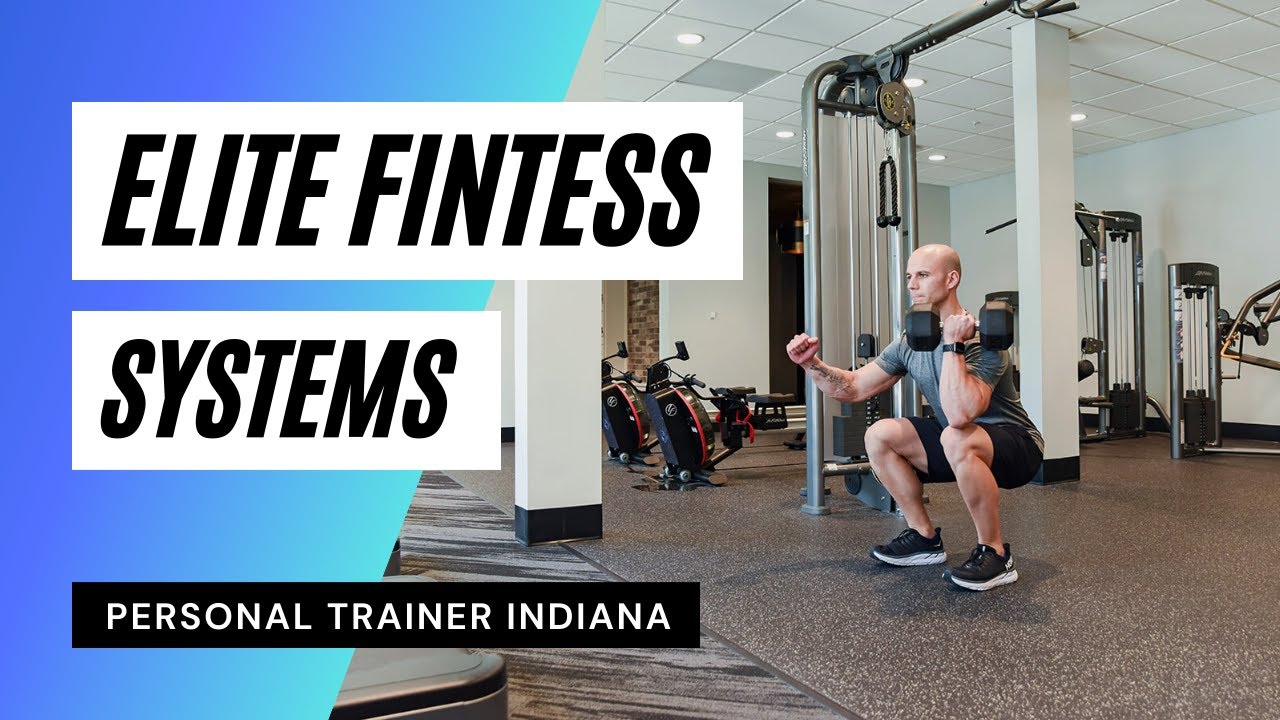
Philadelphia has many personal trainers. New fitness centers are popping up all around the city. One of the most popular types of training in Philly is group fitness classes and fitness bootcamps. You can also find online personal trainers, which is more convenient than traditional training.
Personal trainers assist individuals of all ages, abilities, and gender to help them reach their health goals. They can offer advice on nutrition, exercise, stress management, and how you can optimize your sleep. An amateur or professional athlete may also benefit from the services of a fitness professional. A sports coach, for example, can help you improve your speed, strength and endurance. A coach can help you recover after an injury.
It's crucial to find a Philadelphia personal trainer who will tailor your workout to suit your needs. Personal trainers know that different workouts do not work for everyone. A personal trainer is able to help you decide which type of fitness program is right for you. A personal trainer can help you to stay accountable and ensure you are following your exercise plan.
It's important to find a personal trainer in Philadelphia who has the credentials you need. A personal trainer must be certified by a recognized national organization. He or she should also have many years of experience. A certification that includes liability insurance as well as a CPR/AED certification is a good option. A certified trainer should also have an online profile.
A class at the Community College of Philadelphia is a good place to start your certification process. They offer the American Heart Association BLS/CPR training course. This is a course designed to educate fitness professionals about proper procedures for enforcing safety. This College will provide all the information you require to get certified in personal or professional training.
Once you complete your coursework you'll get a hard copy and an online transcript. These documents can be used by potential employers to demonstrate how well-suited you are for a job. Access to the Fitness Directory will also be provided for free.
If you're ready to get started, take the RightFit Survey to find the perfect personal trainer for your needs. You will have the ability to choose the time and place you would like to meet and you can also select the goal you wish to achieve. Your fitness professional will be in touch to set up your first session.
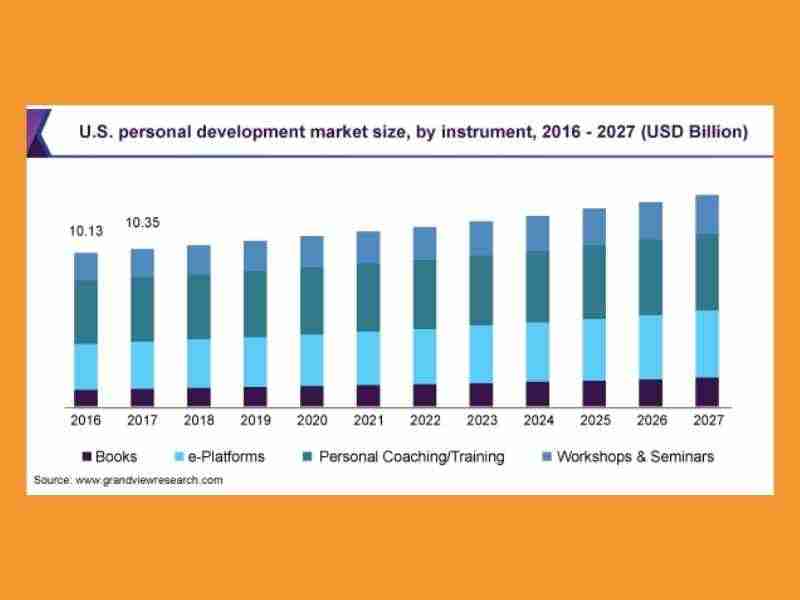
Philadelphia has had a long history playing an important role in the country’s history. The University of Pennsylvania, an internationally-respected leader in education and research, is located here. Young professionals flock to this area to start their careers. The job market for personal trainers will grow by 19% in the coming decade.
You might consider a degree as an athlete trainer or in exercise science if you want to pursue a career in personal training. A specialization in injury prevention, rehabilitation, or fitness is also recommended.
FAQ
How exercise and nutrition can help to live a happier life
Exercise can help you lose weight, gain muscle mass and reduce stress. Nutrition is vital for energy, mood, sleep, and overall health. Eat less meat, limit alcohol consumption, avoid smoking, exercise regularly, and reduce your risk of dying.
What Does Exercise Do for Your Body?
Exercise can help you lose weight. Build muscle mass, increase energy, reduce stress, and improve quality of your sleep. The benefits of exercise include improved moods, better self-esteem, increased productivity, and reduced risk of heart disease.
What effects does caffeine have on my sleep patterns?
Caffeine effects how fast it takes to fall asleep and how much sleep you get. Caffeine induces drowsiness which makes it easier to fall asleep. But caffeine keeps you awake longer, making it harder to fall asleep again. If you drink coffee or energy drinks right before bedtime, try drinking them later in the evening instead.
How many hours should I sleep each night?
The recommended amount of sleep varies depending on age, gender, and individual needs. Most adults require between 7 and 9 hours of sleep each night. Children and teens typically need between 7 and 9 hours of sleep each night. However, this number drops as they get older.
What happens if I don't get enough sleep?
If you don't get enough sleep, your brain doesn't receive the signals needed to regulate hormones and chemicals in regulating appetite and metabolism. This can lead to weight gain and excess eating. Insufficient sleep can lead to stress, which can cause overeating.
Statistics
- An estimated 110,000 deaths per year could be prevented (cdc.gov)
- Globally, 28% of adults aged 18 and over were not active enough in 2016 (men 23% and women 32%). (who.int)
- Globally, 81% of adolescents aged 11-17 years were insufficiently physically active in 2016. (who.int)
- Physical activity confers the following maternal and fetal health benefits: a decreased risk of pre-eclampsia, gestational hypertension, gestational diabetes (for example, 30% reduction in risk) (who.int)
External Links
How To
How to Stay Fit While Pregnant
You experience many changes during pregnancy. Due to the fact that you are having a baby inside of you, your metabolism will slow down. You also eat less. If you don't get enough rest, you might feel sick. There are many ways to keep your health in check while still enjoying this wonderful time of your life.
First, consult your doctor before you begin any exercise program. They can advise you on which exercises you should avoid, and which ones are safe. A second thing to do is eat well during pregnancy. This means eating lots of protein, fiber and iron. Third, drink plenty of fluids. Because sweating can cause fluid loss, it's particularly important to drink water while exercising. Finally, take care of your feet. Wear shoes that are supportive and dry. Morning sickness can be caused by eating small amounts of bread or crackers before you get out of bed. Otherwise, you could end up feeling nauseous.
-
Healthy eating habits are important. A healthy diet is vital throughout pregnancy.
-
Keep active. Daily exercise of at least 30 mins
-
Maintain a Healthy Weight. Losing weight can be achieved by eating smaller meals and snacking more often.
-
Get Enough Sleep. Sleep should be at least 7 hours each night.
-
Manage Stress. Learn relaxation techniques.
-
Avoid Alcohol. It can lead to miscarriage, and even birth defects.
-
Be gentle with your self. Do not push yourself too much.
-
Take care of yourself. Have someone check in on you when needed.
-
Relax. Do the things that make your heart happy.